


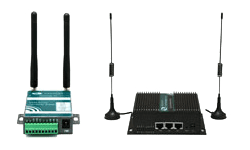
 Networking
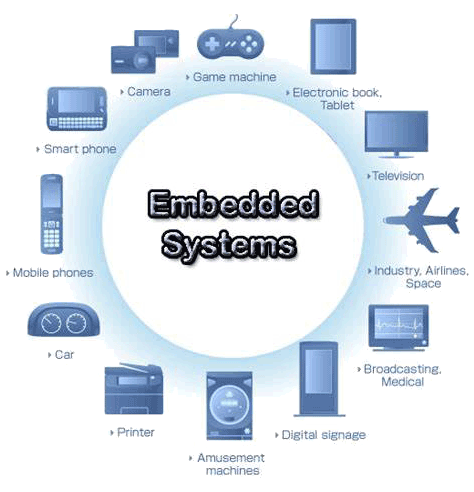 EMBEDDED SYSTEMS
 Switches
 Wireless Solutions
 Industrial Computer
 Cloud Services

IoT Security
IoT
Security
IoT security is no longer a theoretical concern, it becomes more and more important in IoT and M2M field. From hijacked factory robots to compromised smart cameras, attacks on connected devices are growing in scale and impact. The more responsibilities these devices take on, the higher the stakes. Industrial Routers now manage production lines.

Securing the IoT Starts with Understanding the Risks
Despite rapid digital transformation, security hasn't kept pace. Many organizations still deploy IoT equipment with default passwords, unpatched software, or minimal encryption. In complex environments, oversight is easy. And cyber attacks are increasingly designed to exploit exactly that.
Part of the challenge lies in scale. Managing
security for hundreds or thousands of devices spread across sites, cities, or
even continents require tools and practices many businesses have yet to adopt.
And as more systems rely on IoT for automation and monitoring,
attackers see opportunity.
Potential Weak Points: Default Credentials and Poor Configuration
Despite years of warnings, many IoT devices
still ship with factory-default credentials—think “admin/admin” or “1234”—and
in a rush to deploy, these are often never changed. When combined with
unsecured remote access, open ports, or web-based admin panels, attackers can
easily locate and brute-force their way in using automated scripts.
These default configurations aren't just
negligent—they're a gift to attackers, especially when hundreds of identical
devices are deployed in the field. Even worse, many devices don't enforce
password changes or include options for multi-factor authentication, making
them vulnerable from the moment they're connected.
Outdated Firmware
Firmware is the foundational software that runs an IoT device, and like any software, it contains bugs and vulnerabilities. If not updated, those flaws remain exploitable—sometimes for years. Attackers often scan the internet for devices running old firmware with known vulnerabilities, using databases like CVE (Common Vulnerabilities and Exposures) to find easy targets.
The problem is that many organizations lack the
tools or processes to patch devices remotely, especially at scale. In
distributed environments like smart cities or industrial sites, manually
updating hundreds of devices is impractical—so it doesn’t happen. This turns
out-of-date firmware into long-term liabilities.
Lack of Encryption
Many IoT devices still rely on unsecured
communication protocols—such as HTTP, Telnet, or unencrypted MQTT—to
transmit data. Whether it's factory telemetry, system logs, or live camera
streams, unencrypted traffic can be intercepted by attackers using basic tools
like packet sniffers.
Once intercepted, this data can be read,
modified, or even used in spoofing attacks. In high-stakes environments—like
smart grids or healthcare systems—such lapses don't just compromise data
privacy; they can enable real-world disruption.
IoT Security solutions with E-Lins
A growing number of manufacturers are
rethinking how security is implemented from the ground up. E-Lins, for
instance, takes a "secure-by-default" approach across
its networking products. Its routers and gateways come pre-configured to
require password changes, restrict unused ports, and limit exposure.
Remote management is key to scaling these
practices. E-Lins's RMS (Network Management System) lets
administrators oversee entire fleets of devices, push firmware updates over the
air, enforce security policies, and receive real-time alerts about suspicious
behavior. Remote monitoring minimizes manual overhead and reduces human error.
Built-in encryption also matters. Through
protocols like OpenVPN, WireGuard, IPsec, and HTTPS, E-Lins ensures secure data
transmission. And with features like multiple SSIDs, VLAN tagging, Firewall,
and NAT rules, our routers support full network segmentation—limiting how far
attackers can go if one device is compromised.
What the Future Demands from IoT Security
As the IoT ecosystem grows, securing the IoT
becomes more complex—and more critical. Passwords and firmware patches will be
no longer enough.
In the EU, new cyber security requirements under
the Radio Equipment Directive (RED) will take effect. These rules
apply to all radio-enabled devices, including those powering IoT networks, and
require secure defaults, data protection, and proper vulnerability management.
Are you ready to deploy next IoT? Let E-Lins work with you—securely, reliably; just freely contact with E-Lins Communication.


