


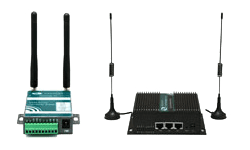
 Networking
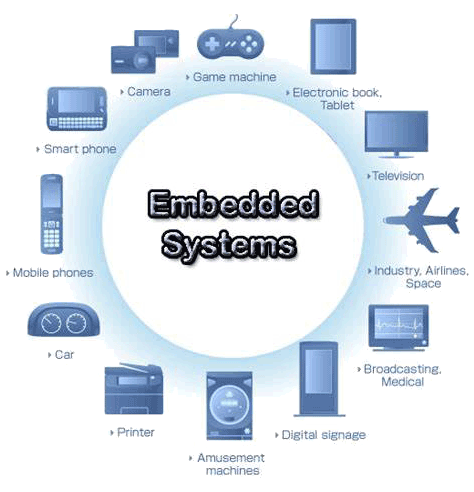 EMBEDDED SYSTEMS
 Switches
 Wireless Solutions
 Industrial Computer
 Cloud Services

What is DMVPN?
What is DMVPN?
DMVPN is a scalable VPN solution that creates on-demand, encrypted tunnels between multiple sites without requiring static configurations. It merges three core technologies:
Multipoint GRE (mGRE): Allows a single interface to support multiple tunnels.
Next Hop Resolution Protocol (NHRP): Dynamically maps tunnel endpoints’ public IPs.
IPsec: Provides encryption for data integrity and confidentiality.
Unlike traditional hub-and-spoke VPNs, DMVPN enables direct spoke-to-spoke communication, reducing latency and central hub bottlenecks.
1)How DMVPN Works
DMVPN operates in three phases, each offering increasing flexibility:
Phase 1: Hub-and-Spoke
Spokes register their public IPs with the hub via NHRP.
All traffic flows through the hub (ideal for small networks).
Phase 2: Spoke-Initiated Spoke-to-Spoke
Spokes query the hub for destination spoke IPs via NHRP.
Direct tunnels form dynamically between spokes for specific traffic.
Phase 3: Hierarchical Scalability
Supports hierarchical NHRP for large deployments (10,000+ spokes).
Route summarization at the hub optimizes routing tables.
Example: When Spoke A (New York) sends data to Spoke B (London):
Spoke A checks its NHRP cache for Spoke B’s public IP.
If missing, Spoke A queries the hub.
The hub replies with Spoke B’s IP, triggering a direct IPsec tunnel.
2)Key Advantages of DMVPN
Scalability:
A single hub can manage thousands of spokes, eliminating hardware sprawl.
Cost
Efficiency:
Reduces reliance on leased lines; uses inexpensive internet links.
Flexibility:
Supports dynamic IP addresses (critical for remote workers using 4G/5G).
Redundancy:
Dual hubs can be configured for failover using protocols like HSRP.
3)Use Cases for DMVPN
1. Retail Chains
A global retailer uses DMVPN to connect 500+ stores. POS systems communicate directly with regional data centers, while inventory updates use spoke-to-spoke tunnels between neighboring stores.
2. Healthcare Networks
Hospitals securely share patient records via DMVPN, with direct tunnels between radiology centers and labs to accelerate MRI image transfers.
3. Cloud Integration
Hybrid cloud setups use DMVPN to connect on-premises hubs to AWS/GCP VPCs, encrypted via IPsec.
E-Lins Communication have many series IoT routers can support DMVPN; if you have interests, just visit E-Lins’s website for more information.


